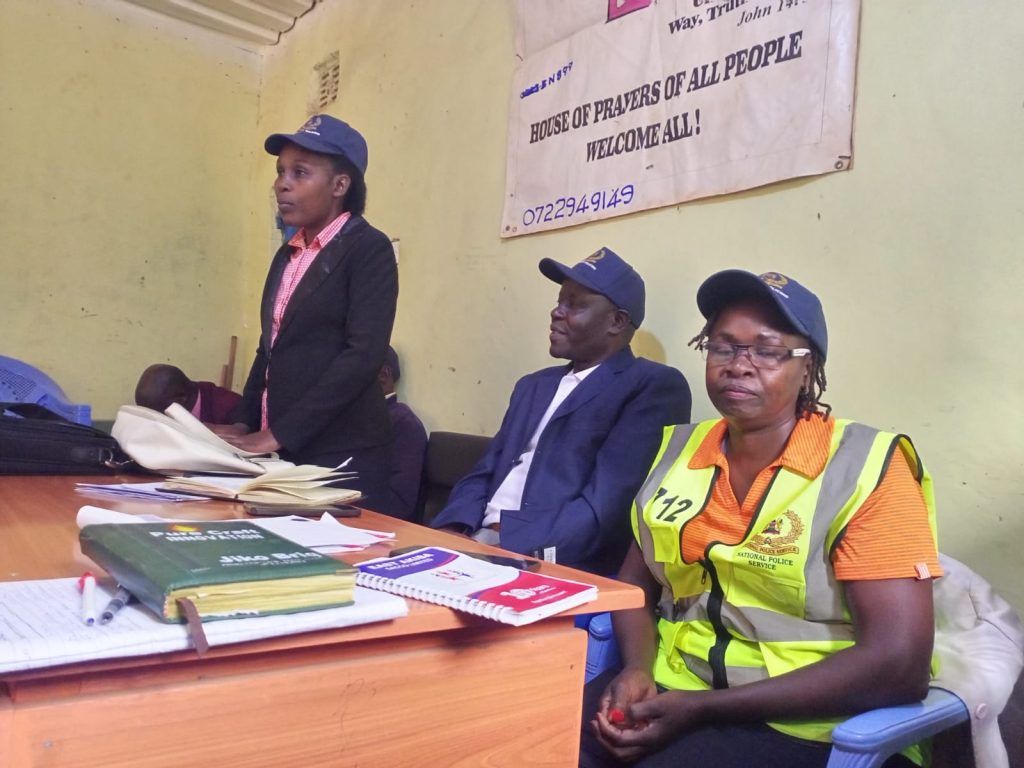
Long before “Nyumba Kumi” became a national policy, it was a quiet experiment in one Nairobi neighbourhood.
The model was first introduced in Makongeni Location in Makadara, Nairobi — and it worked so well that the provincial administrators who ran it, from the location level all the way up to the district level, won commendations for best performance in 2010. This was three years before Nyumba Kumi became a household name across the country.
That national rollout came in 2013, and the timing wasn’t a coincidence. The country-wide launch was largely driven by the aftermath of the Westgate mall attack, with the government adapting a model originally developed in Tanzania — organizing local residents and stakeholders into clusters of ten houses that would meet regularly, share information, and pass it up to relevant authorities when needed. Nyumba Kumi has since grown rapidly, with some reports crediting it with reducing crime by an estimated 30 to 40 percent. Oxford AcademicKenyans.co.ke
The idea was never meant to be about surveillance for its own sake — it was designed to bring people together in clusters defined by shared physical location and the pursuit of a common goal: a safe, sustainable, prosperous neighbourhood. That’s worth remembering, because the model has also drawn criticism over the years — some residents and researchers have described it as functioning more like state intelligence-gathering than genuine community partnership, particularly when it operated through the provincial administration’s chief and sub-chief structure rather than residents themselves. National Police Service
What makes the Makongeni story relevant to COMPOL specifically is simple: this isn’t an imported idea being tested on Nairobi for the first time. The city already has a track record with this exact model — it’s where a version of it worked well enough, a decade before most Kenyans had ever heard the phrase “Nyumba Kumi.”